
Introduction
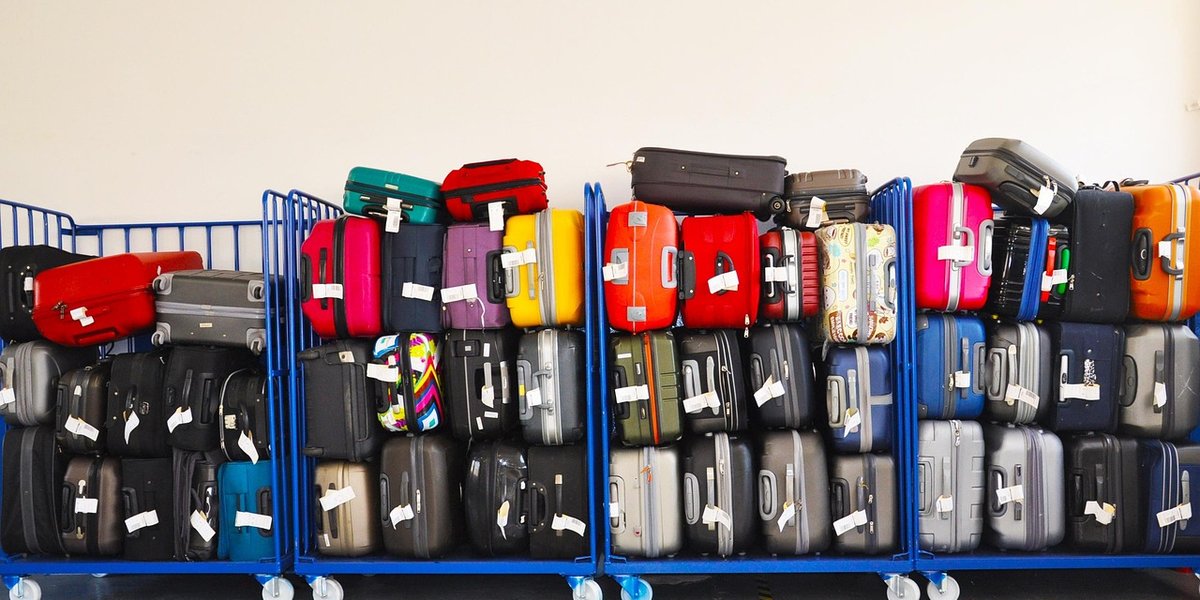
Many travellers know the painful feeling of arriving at their destination only to discover that their checked baggage didn’t make the journey with them. While this can be frustrating, there are important and often surprising reasons why airlines sometimes leave bags behind. This is especially common during peak travel seasons, when flights are full and aircraft face strict operational limits.
Why Do Airlines Prioritize Passengers Over Baggage?
First, it’s essential to understand that the safety of passengers is the top priority for every airline. One of the critical factors affecting flight safety is the aircraft’s maximum takeoff weight (MTOW), the highest weight at which a pilot is allowed to attempt to take off, considering aircraft performance, safety, and regulatory standards.
When a flight is fully booked, especially during busy holiday periods, the combined weight of passengers, cargo, and baggage can approach or exceed the aircraft’s maximum allowable weight. In such situations, airlines may have no choice but to leave some baggage behind to ensure the aircraft can safely take off.
Why Aren’t Passengers Told Before Departure?
You might wonder why airlines don’t simply inform passengers in advance if there’s a chance their baggage won’t make it. The reality is that airlines often finalize last minute calculations on passenger headcount, cargo weight, and fuel needs just before takeoff. These calculations can mean a sudden need to reduce weight.
Moreover, airlines can be reluctant to inform passengers that their baggage might be delayed, fearing it could lead to frustration, disputes, or delays in boarding, all of which could disrupt flight schedules. As a result, many travellers only discover the situation upon arrival.
Five Major Reasons Why Airlines Leave Baggage Behind
- Weight Restrictions and Maximum Takeoff Weight Limits:
Airlines must comply with strict weight and balance limits to ensure a safe takeoff. If the total load exceeds what is allowed, often due to more passengers or heavier cargo than expected, bags are among the first items to be offloaded. - Last Minute Changes in Passenger Loads:
Standby passengers, upgraded travellers, or no shows can alter the final passenger list, impacting the aircraft’s total weight and requiring quick adjustments that sometimes lead to baggage being left behind. - Aircraft Downgrades or Equipment Substitutions:
Occasionally, airlines need to swap in a smaller aircraft for operational reasons. A smaller plane may have less cargo and baggage capacity, resulting in some luggage being delayed. - Airport Weather and Runway Conditions:
In hot weather or at airports with short runways, aircraft need more power (and therefore less weight) to take off safely. This can force airlines to reduce weight by removing checked bags. - Tight Connection Times for Baggage Transfers:
If you or connecting passengers arrive late for a tight connection, there may not be enough time for baggage handlers to transfer all checked bags to the departing flight, causing some luggage to be left behind.
What Happens to Your Left Behind Baggage?
The good news is that in most cases, delayed baggage is sent on the next available flight to your destination and delivered to you, often at your hotel or home, at no extra cost. Airlines track and prioritize these delayed bags to reunite them with their owners as soon as possible.
How Can You Minimize the Risk?
- Pack essentials in your carry on, such as medication, important documents, and a change of clothes.
- Book direct flights or connections with longer layovers to give your checked bags more time to catch up.
- Travel during off-peak periods if possible, when flights are less likely to be fully booked and overloaded.
Conclusion
While discovering your bag didn’t arrive can be stressful, understanding why airlines sometimes leave baggage behind can help travellers appreciate the complex factors that go into every safe flight. Remember, airlines always prioritize your safety, and they’ll usually work quickly to get your luggage back to you.